
It often takes the voice of an A-lister to uncover social abuses. People with high levels of public influence can make issues visible which might otherwise remain hidden away for years, or even decades, on end. The recognition level of such people lends their experiences credibility and ensures their voices are heard. As a result, problems which have long been overlooked or not taken seriously finally receive the attention they deserve.
One example of this is Paris Hilton. Back in the noughties, she was viewed primarily as an “it-girl” – associated with glamour, parties and life in the spotlight. At the time, it was impossible to find a teenage magazine without reports about her in it. Which is why it was all the more surprising when, a few years ago, she entered the public eye with a very different story: Rather than simply describing her A-lister lifestyle, she began talking about the violence, abuse and powerlessness she had experienced as a minor in a care home.
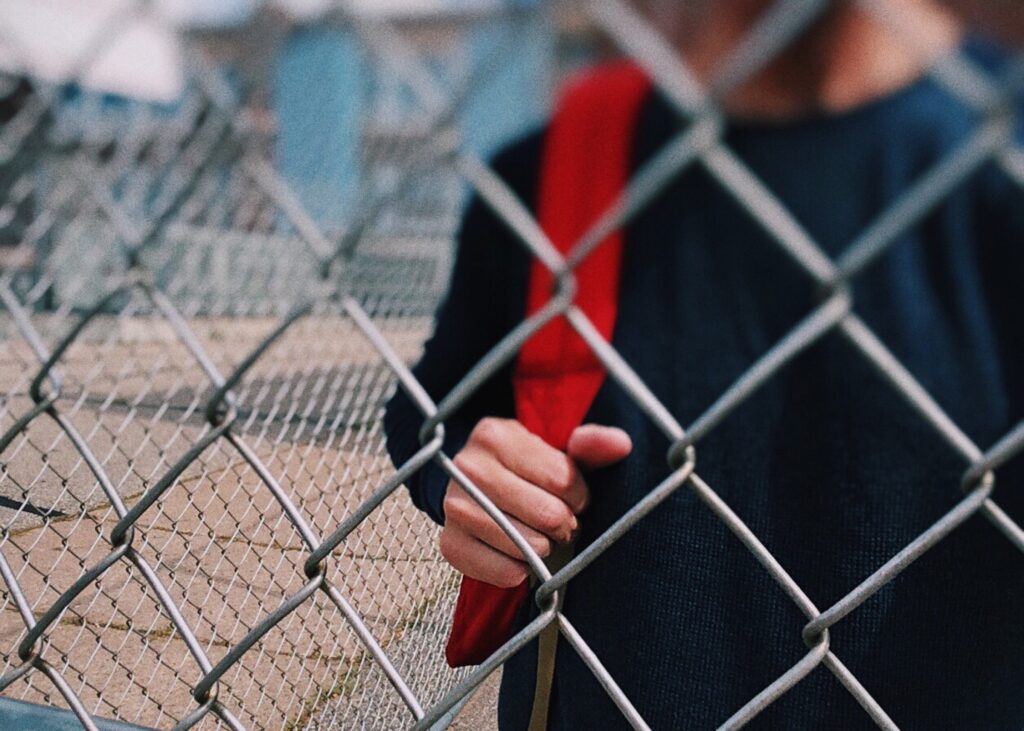
Her case brought back into the spotlight an issue which, although it affects millions of people worldwide, often remains hidden from view: Violence against children and minors in institutions which should actually be offering them protection and security.
In her documentary “This Is Paris”, she described the emotional, physical and psychological abuse she suffered during her time at a care home of this sort. A year later, she appeared in front of political decisionmakers to describe her experiences, calling for stricter controls on so-called “youth care homes”. In 2022, in a video for the New York Times, she levelled further serious allegations at staff at the home, accusing them of also having participated in sexual abuse.
Her years of commitment eventually began to bear fruit: Provo Canyon School has now lost its licence, and been forced to stop operating. The responsible authority justified this step on the basis of serious violations in areas such as medical provision and the protection of the children. For many former pupils of the school, this decision is far more than just an official document – it is delayed confirmation of what they had been claiming for decades.
The case raises far more fundamental questions, however: Why does it often take years or even decades until the victims of violence are able to talk about their experiences? And what does it mean for the way we handle abuse in educational institutions?
Silence has many reasons

Children and young people find themselves in a special relationship of dependency with adults. Teachers, care staff and educators are all figures of authority who have trust shown in them. If violence or abuse take place in this environment, it is often particularly difficult for those affected to categorise what they have experienced or to ask for help.
This is compounded by shame, feelings of guilt and the fear either of not being taken seriously or even of being held responsible themselves for what they have experienced. Many of those affected say they were told nobody would believe them if they spoke out anyway. Exactly this feeling can lead to people remaining silent about traumatic experiences for years or even decades and beyond.
Austrian figures show a similar story
Austrian data, too, emphasise how difficult a step it can be for people to talk about violence experienced during childhood.
According to the survey “Gender-specific Violence against Women in Austria” (2022), some 61.74 percent of women who experienced sexual violence in their childhood told at least one person during their life. At the same time, however, that also means that nearly four out of ten victims never spoke about their experiences (p. 51).
Exactly who victims speak to is particularly informative. The information is most often shared within the family (36.67 percent ), closely followed by a member of the immediate circle of friends or acquaintances (33.96 percent). These figures show one thing above all: The first attempt to “break” the silence doesn’t usually lead victims to authorities or institutions, but to individuals the victims themselves trust.
This is exactly why not just the social environment, but also schools, clubs and care homes bear a special responsibility. They must create spaces in which children and young people know they will be listened to, and their statements will be taken seriously.
Schools bear a special responsibility
Schools should be places of learning, development and safety. This is exactly why any case of abuse or violence in a care home is particularly difficult for us to hear. It not only shatters the trust of individual children and minors, but also that of their families and society as a whole.
The case of Provo Canyon School also shows that institutional failure can continue for years on end. Abusive situations do not develop due to individual perpetrators alone, they are also favoured where there is a lack of control, complaints are ignored, abuses of power are covered up, or victims are not taken seriously. The closure of the institution only took place after years of reports from former students and official findings about significant abuses.

Listening can change lives
Paris Hilton only began to tell her story in public as an adult. Her example is typical of many victims, many of whom require years or even decades to find the words to describe what they have experienced.
For this reason, judging the credibility of statements according to when they are made is unhelpful. Traumatic experiences are often suppressed, or can only be expressed after a considerable amount of time has passed. Victims only seeking help or talking about their experiences in adulthood is not an exception. Very often, it is simply reality.
Which makes it all the more important that schools, care homes and authorities consistently implement effective protection concepts, take signals seriously and create independent paths for lodging complaints. It is also crucial that society listens to victims, instead of questioning the fact that they have remained silent or failed to speak out for so long.
The story of Paris Hilton does not end with the closure of one school. It reminds us that behind every statistic lie real people – independently of whether they are A-listers or not − who often hope for years on end someone will believe them.
The Austrian figures also show just how huge the challenge remains in Austria too. They should be a reason for increasing levels of prevention, expanding protective mechanisms and supporting a culture of close observation. Because only where children and young people feel safe and adults accept responsibility can schools actually be what they should be: Places of trust, learning and development.
Translated by Tim Lywood
#ParisHilton #Kinderschutz #Missbrauch #GewaltGegenKinder #Trauma #Schutzkonzepte #Schule #Jugendhilfe #Prävention #Gewaltprävention #BetroffenenStimme #Kinderrechte #Aufarbeitung #PsychischeGesundheit #Bildung #Vertrauen #Hinschauen #Kindeswohl #MissbrauchAufarbeiten #OpferschutzMenschenhandel #PräventionMenschenhandel #AgainstHumanTrafficking #GegenMenschenhandel #EndExploitation #EndTrafficking #HopeForTheFuture #Österreich