
A society shows its character by how it treats its people in need of support. Older people, for example. People with disabilities. People who need care, or who cannot live independently due to an illness. But it is exactly these groups who often suffer forms of exploitation that rarely make headlines. It doesn’t always happen as a result of violence or open criminality. It is often legal, caused by existing structures, or concealed behind the term “care provision”. It has to do with people working without being fairly paid. Older people whose trust is exploited. People in need care of who become financially dependent, and are particularly vulnerable as a result. Those affected often have one thing in common: they have less societal power available to them than others. And that is exactly what makes them vulnerable to exploitation.
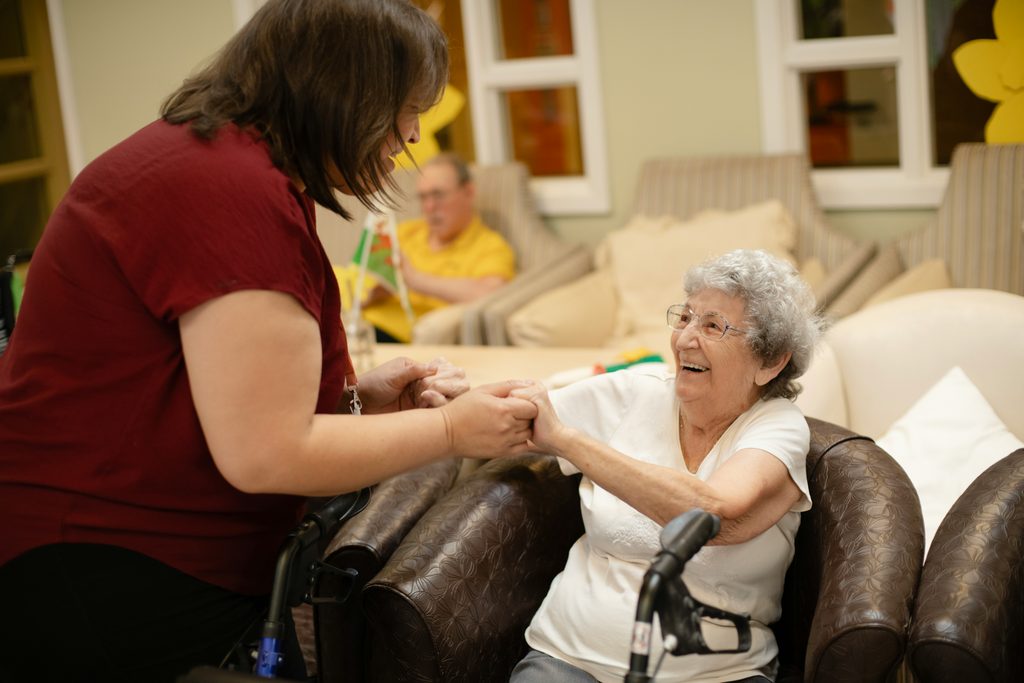
Working just like every one of us – paid like nobody else
This problem becomes particularly visible in the case of people with disabilities, who are employed in day centres or workshops for disabled people. According to research, more than 25,000 people with disabilities in Austria work in day centres. They do packaging jobs, assembly work and other activities for companies. Those affected are often doing commercially profitable work, therefore. Items are produced, packed or otherwise processed in some way. Despite this, they are often not legally recognised as members of staff, and rather than receiving a regular wage, receive only pocket money instead. As well as this, they often have no protection available to them under employment law. The STANDARD newspaper quoted one person affected as follows: “We’re not just lazy, you know.” This sentence gets to the point of the fundamental problem: people with disabilities should not always have to defend themselves against the accusation that their work is worth less than that of other people.
The unfulfilled promise of inclusion
In Germany, too, the system is coming in for increasing criticism. Research shows that workshops for people with disabilities have been criticised for years now for lacking inclusion. Despite genuinely participating, then, many of those affected remain in special structures, while companies simultaneously find ways to side-step their legal obligations to employ disabled people. The crucial question is this: can we really talk about inclusion when disabled people are allowed to work, but do not receive the same rights and the same payment as other employees?
When trust becomes a weapon
Exploitation is also visible amongst older people, and those in need of care. Being in need of care means one is dependent on help in completing everyday things. That includes not just physical support or medical provision, but also in financial matters. Bank transactions, accounts and legal documents are often administered jointly by other relatives, carers or nurses. It is exactly here that risks can emerge. The Centre for Quality in the care sector describes financial exploitation as one of the most important forms of violence against older people. Particularly at risk are older people in need of care whose health-related or social situation is exploited. Types of exploitation can range from the misappropriation of money and improper usage of powers of attorney all the way through to the manipulation of wills or assets. Perpetrators of such crimes often do not hail from an environment of organised criminality. They are often people the victims trust. While we immediately speak of a crime in the case of a break-in, when it comes to financial exploitation within families or by caregivers, the issue is often dismissed as harmless, is concealed or is only discovered when it is too late.
One case out of many – but with the power to shock
A case dating back to 2025 in Germany shows just how dramatic the consequences can be in such cases.
A geriatric nurse was sentenced to several years in prison after she stole around 300,000 euros from an 88-year-old man with dementia. She gained his trust through the care relationship, was given general power of attorney, and subsequently used this for her own financial purposes. The case is shocking, but by no means unique. It shows just how closely connected care, trust and financial independence are. Often, people with dementia, cognitive limitations or a pronounced need for care can no longer completely control what happens to their assets. At the same time, they are focussed upon the help of exactly the people who would potentially have access to their money. This creates a power gap which can favour abuse.
Where does the exploitation begin?
One core problem is that exploitation is often only taken seriously when it takes on extreme forms. But exploitation doesn’t just begin with those six-figure amounts or high-profile cases.
- It begins where people have systematically fewer opportunities to defend themselves open to them.
- It begins where people work for years without being fairly paid due to a disability.
- It begins where older people sign legal documents they don’t fully understand.
- It begins where people in need of care are scared they will lose help if they express criticism.
Many of these situations operate in a “grey zone” between care provision, dependency and abuse of power.
Conclusion: what has to change
A solidly united society must measure the value of a person by their physical ability, age or level of independence. Nobody who is dependent on support should receive fewer rights, protection or participation. Instead, what is needed are fair working conditions for people with disabilities, effective protective mechanisms against financial exploitation, and greater social awareness of the risks to which people requiring care and older people are often exposed. Finally, what is required is more than just new laws or checks. This is a question of how we as a society deal with people who are particularly vulnerable. A solidly united society does not measure the value of a person by their productivity, age or physical ability. Whether it be by creating clear legal protective measures or raising attention in your own environment – the protection we offer people in need of care must be consistently strengthened.
Translated by Tim Lywood
#Ausbeutung #PflegebedürftigeMenschen #MenschenmitBeeinträchtigung #finanzielleAusbeutung #WerkstättenfürbehinderteMenschen #Inklusion #Pflege #Menschenwürde #sozialeGerechtigkeit #Machtgefälle #Abhängigkeit #Pflegesystem #Arbeitsrecht #OpferschutzMenschenhandel #PräventionMenschenhandel #AgainstHumanTrafficking #GegenMenschenhandel #EndExploitation #EndTrafficking #HopeForTheFuture #Österreich