
“She agreed to it.” This phrase often comes up in discussions about human trafficking or sexual exploitation. At first glance, consent seems to be a clear indication that a decision was made voluntarily. However, the reality is far more complex. People may initially agree to a job, a trip abroad, or a particular activity and still become victims of human trafficking or exploitation. This is because consent does not automatically mean that a decision was made freely and without pressure. Financial hardship, fear, deception, or emotional dependency can significantly restrict a person’s freedom to choose. This is why the concept of “consent under pressure” is becoming increasingly important when examining the point at which an apparently voluntary decision turns into exploitation.
What Is Human Trafficking?
Human trafficking is a serious crime and a grave violation of human rights. The perpetrators’ aim is to exploit other people. Exploitation can take many forms, including sexual exploitation, labor exploitation, exploitation for the commission of crimes, and other forms of abuse. It is not just the exploitation itself that matters, but also the methods used to draw people into these situations. These include deception, threats, psychological pressure, violence, and the deliberate exploitation of difficult life circumstances. Many victims are lured in by false promises, including well-paid jobs or better prospects for the future.
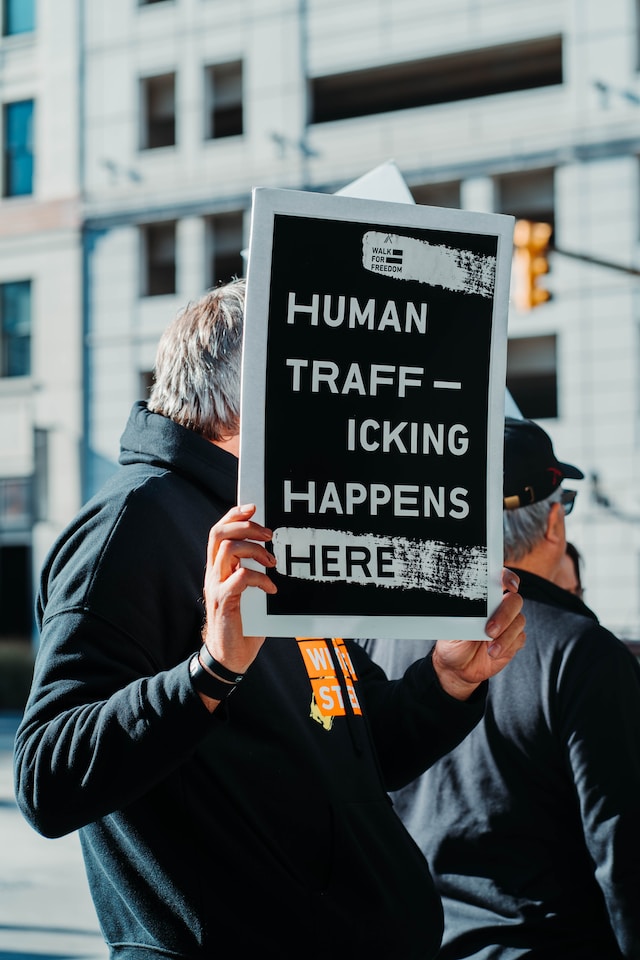
What Does “Consent Under Pressure” Mean?
The term “consent under pressure” describes a situation in which people appear to give their consent voluntarily but are unable to make their decision under conditions that allow for genuine freedom of choice. Genuine consent requires that a person be able to decide without coercion, threats, or significant dependency. When these conditions are absent, consent loses its true meaning. Pressure does not necessarily involve physical violence. Financial hardship, emotional manipulation, fear of the consequences, or a lack of alternatives can also lead people to make decisions they would not have made under different circumstances. Perpetrators deliberately exploit precisely these kinds of vulnerable situations.
When Does Consent Become Problematic?
Not every decision made under difficult economic circumstances automatically constitutes human trafficking. Many people accept difficult or poorly paid jobs because they need to make a living. The situation becomes problematic when others deliberately exploit this vulnerability to gain control over people or exploit them. For example, someone may initially agree to take a job abroad voluntarily. However, if their passport is confiscated after they arrive, their freedom of movement is restricted, or their wages are withheld, the situation is no longer one of free employment. The original consent loses its significance as deception and control take its place.
Why Don’t Victims Simply Leave Their Situation?

Outsiders often ask why victims do not simply leave or seek help. However, this question overlooks the complexity of the situation. Human trafficking frequently involves long-term relationships of dependency. Many victims fear violence, deportation, or harm coming to their families, while others do not speak the language of the country, lack identification documents, or have no money of their own. In addition, perpetrators often psychologically manipulate their victims, alternating between apparent care, promises, and intimidation. All of this can create an emotional bond that makes it even harder to escape. Shame, feelings of guilt, and the fear of being unable to trust anyone further reinforce this situation.
How Can Exploitation Be Recognized?
It is not the case that every warning sign automatically indicates human trafficking. However, when several warning signs occur together, they may point to a form of exploitation. These signs include confiscated identification documents, restricted freedom of movement, constant surveillance, unpaid or extremely poorly paid work, threats, substantial debts, or complete control over a person’s accommodation and finances. It is particularly important to consider the overall context. Whether human trafficking is taking place is not determined by a single factor, but by the interplay of different forms of control and exploitation.
Conclusion
To sum up, a “yes” is not always the result of a free choice. The discussion surrounding “consent under pressure” shows that consent means far more than simply saying “yes.” A decision is truly voluntary only when it is made without coercion, deception, fear, or significant dependency. This is precisely why specialist organizations and law enforcement agencies examine not only the consent itself but also the circumstances in which it was given.
Human trafficking often begins not with violence, but with the deliberate exploitation of vulnerability. Financial hardship, emotional dependency, or false promises can draw people into situations from which they can scarcely free themselves. It is therefore all the more important to question the circumstances surrounding consent and not to blame victims prematurely for having agreed to a situation. Only when the public understands that consent requires genuine voluntariness can human trafficking and exploitation be identified and combated more effectively.
Translated by Julia Matzinger
#ConsentUnderPressure #ConsentAndCoercion #VoluntaryConsent #SexualExploitation #LaborExploitation #HumanTraffickingVictims #PsychologicalManipulation #CoercionAndExploitation #HumanRights #DeceptionAndExploitation #EmotionalDependency #FinancialHardship #HumanTraffickingWarningSigns #ControlAndExploitation #RecognizingExploitation #WhatIsHumanTrafficking #ForcedLabor #ProtectVictims #HumanTraffickingPrevention #AgainstHumanTrafficking #EndExploitation #EndTrafficking #HopeForTheFuture #Austria