
The term knock-out drops doesn’t refer to any one substance; it is a collective term used for a variety of medications and drugs which can be used deliberately to take away free will or render the consumer unconscious. Young women are particularly often affected, as perpetrators use the drugs as a way to commit sexual attacks or theft. This makes education about the effect of the drops, how they are administered and the measures needed to protect ourselves against them all the more important.
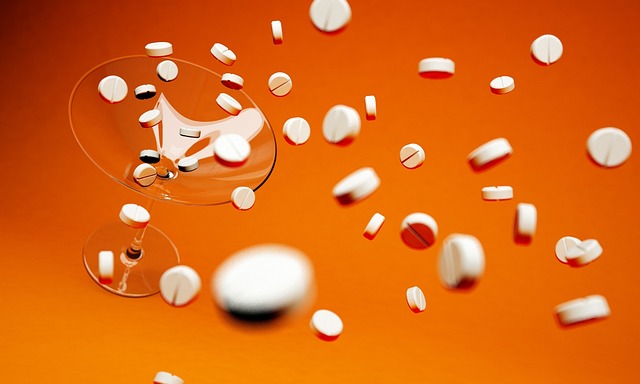
Different types of knock-out drops
The best-known of these drugs include GHB (gamma-hydroxybutyrate) and GBL (gamma-butyrolactone), often referred to as “Liquid Ecstasy”. These have a sharply depressant effect on the central nervous system. Even very small amounts can cause a lack of inhibition, dizziness or even unconsciousness. (Gesundheitsportal)
As well as these, benzodiazepines (sedatives such as flunitrazepam or temazepam), anaesthetics such as ketamine and certain antihistamines are used. (ADAC)
The one thing all these drugs have in common is that they influence our consciousness, the control we have over our own body, and the memory. They often cause gaps in memory (“blackouts”), so that those affected can no longer remember an incident later on. (ADAC)
Ways the drops are administered
Most knock-out drops are secretly mixed into people’s drinks at locations like clubs, bars and parties. They are usually colourless and odourless, and as a result, can hardly be detected. (ADAC)
They are almost always taken orally, usually in a drink. Just a few millilitres is enough to have a very strong effect. (Gesundheitsportal)
The effect often takes over very quickly, normally within 10 to 20 minutes, and can last for several hours. (Supro) It is particularly dangerous to combine the drops with alcohol, as this strengthens the effect, and can be life-threatening. (Gesundheitsportal)
Typical indicators
Possible symptoms:
- Sudden light-headedness or nausea
- Dizziness (“as if wrapped in cotton wool”)
- Coordination problems
- Unusual disinhibitions
- Blackouts or unconsciousness (ADAC)
Another warning signal is if you feel significantly more affected than you normally would when consuming alcohol.
Protective measures
If you want to protect yourself, a few simple but important rules of behaviour will help:
- Never leave drinks unattended
- Don’t accept open drinks from strangers
- When out on the town, stay in a group at all times and keep an eye out for one another
- If in doubt, order a new drink
- In the event of sudden symptoms, seek help immediately at (Supro)
Friends should never leave anyone affected alone, and rescue services should be informed in an emergency.
Suspicious kinds of behaviour
Certain situations can indicate that someone has bad intentions:
- Strangers offering drinks without being asked
- Someone pushing you to drink up quickly
- People trying to isolate someone from the group
- Unusually pushy behaviour or targeted distraction
Signals such as this should always be taken seriously.
Conclusion
Knock-out drops are dangerous, difficult to trace, and very often invisible. This is precisely why a high level of attentiveness is now the best protection of all. If you recognise any of these typical situations, remain aware of your environment and handle open drinks carefully, you can significantly reduce the risk.
Note: Videos are currently circulating on social media claiming that the above-mentioned substances can now also be administered on toilet paper. No evidence or reliable sources to prove this had been found at the time of writing.
Translated by Tim Lywood
#koTropfen #Schutz #Verabreichungen #Arten #Verhaltensweisen #OpferschutzMenschenhandel #PräventionMenschenhandel #AgainstHumanTrafficking #GegenMenschenhandel #EndExploitation #EndTrafficking #HopeForTheFuture #Österreich