
Sexual exploitation affects children and young people worldwide on an alarming scale. Many become victims before they can even comprehend the danger, whether offline at the hands of known perpetrators or online via social media and chat platforms. UNICEF emphasises that children often find themselves in situations of exploitation or abuse through false promises, power imbalances and manipulative strategies.
From real-life proximity to digital danger
Sexual exploitation takes many forms, ranging from forced sexual acts and commercial forms of exploitation to the use of children for the production and distribution of explicit content. Contrary to common perceptions, perpetrators are rarely unknown ‘monsters’, but often people who share the children’s everyday lives through family ties, school or digital contacts. In the context of child trafficking, exploitation means far more than physical violence. Children are forced into prostitution, the production of sexualised content or other forms of service in exchange for money or drugs, or under the pretext of supposed opportunities. The internet as an “invisible space” brings new risks, because here the grooming and exploitation often take place in secret.
Cyber-grooming: The digital trap
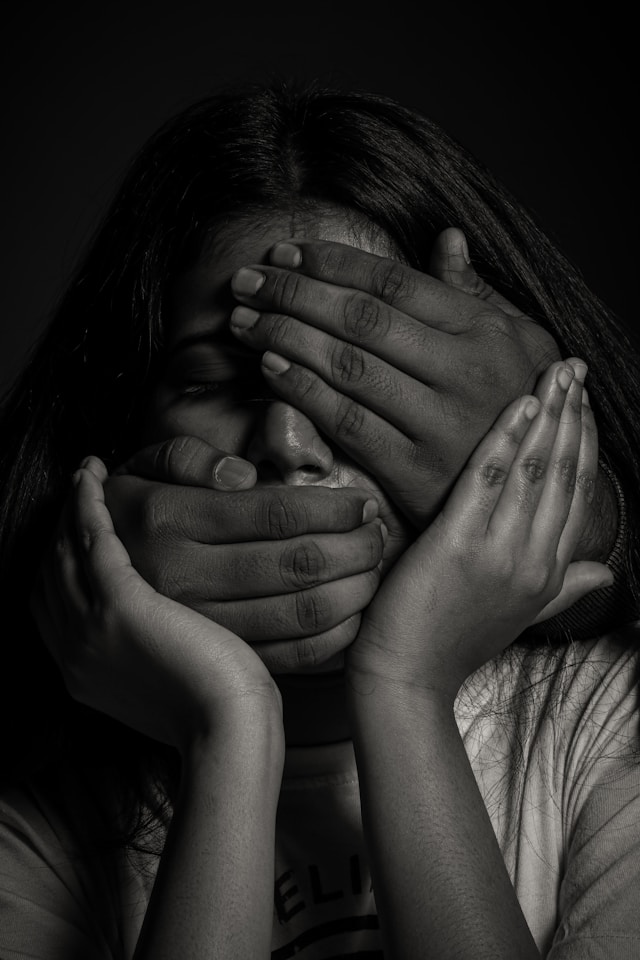
A particularly insidious mechanism of exploitation is cyber-grooming. In this process, adults gain trust online by posing as peers or approaching children via seemingly harmless topics. Over time, they increasingly demand intimate images or chats and manipulate children into crossing their boundaries. This form of grooming is a criminal offence and often targets very young users, particularly where awareness of the problem and caution are not yet well developed. Cyber-grooming typically begins via chat rooms, social media or gaming platforms, where perpetrators initially appear friendly, pay compliments and build trust. Over time, they steer conversations towards sexual topics and pressure victims into sharing photos, videos or personal information that can later be used for blackmail. This is a pattern that marks the intersection of online manipulation and real-world exploitation.
Risk factors: Who is particularly at risk?
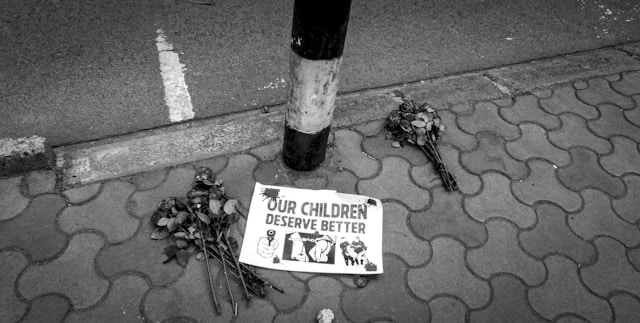
Children and young people are particularly at risk because they often navigate their digital spaces on their own without adequate protection strategies, and because perpetrators specifically target their psychological vulnerability. Vulnerable individuals who experience social insecurity, family problems or a lack of digital skills are particularly susceptible to manipulative approaches.
Furthermore, sexual exploitation does not only occur online. Many cases go undetected because they take place within a family or private context, or because children remain silent due to shame, fear or loyalty to the perpetrators. The number of unreported cases is high, and only a fraction of the actual cases are discovered and prosecuted.
Long-term consequences: More than physical harm
The consequences of sexual exploitation extend far beyond the physical assault itself. Affected children often experience profound psychological trauma, a loss of trust, stigmatisation and anxiety, and feel the effects throughout the rest of their lives. Many suffer from depression or difficulties in social interactions. These long-term consequences leave a lifelong mark that cannot be healed by legal sanctions alone.
Conclusion
Protecting children requires more than criminal prosecution. It requires prevention and education. Children and young people must be educated at an early age about digital risks, cyber-grooming and their rights. Parents, educators and carers must be empowered to recognise and address signs of exploitation. States must ensure that exploitation is consistently prosecuted and that victims are offered access to protection and support services. Human trafficking and sexual exploitation are cross-border issues; only joint strategies across national borders can combat them effectively. Children’s rights must not remain merely on paper; they must be defended every day in both the digital and real worlds, so that no childhood is lost too soon.
Translated by Anna Smith
#Cybergrooming #Kinder # Kinderhandel #Kinderrechte #SexuelleAusbeutung #OpferschutzMenschenhandel #PräventionMenschenhandel #AgainstHumanTrafficking #GegenMenschenhandel #EndExploitation #EndTrafficking #HopeForTheFuture #Österreich