
Investigative work, the legal framework and structural barriers in the fight against human trafficking and exploitation.
Law enforcement and systemic challenges
Human trafficking is one of the most serious offences in Austria, involving people being forced into sexual services or other exploitative situations through deception, coercion, violence or exploitation. Due to its geographical location at the heart of Europe, Austria is an attractive destination for such networks. The victims predominantly come from poorer EU Member States and third countries.
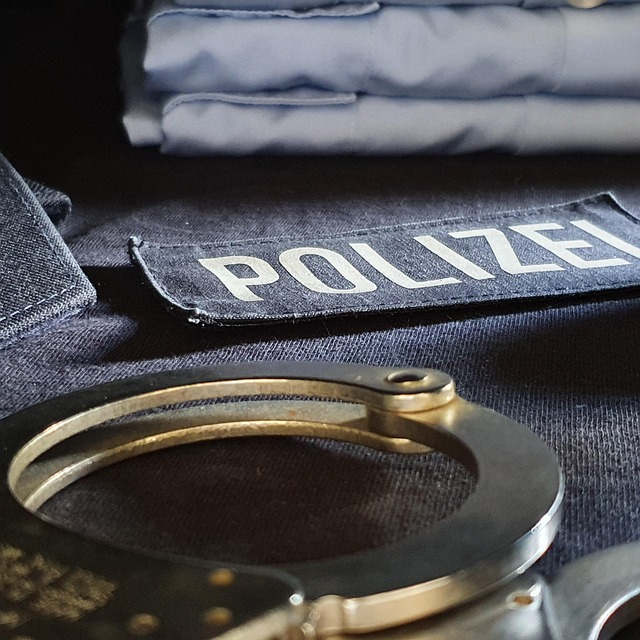
Law enforcement and investigative work in Austria
Law enforcement usually begins with police investigations, undercover operations and tips from the public or civil society organisations. In Austria, human trafficking is regulated under Section 104a of the Criminal Code (StGB). This provision punishes the recruitment, transportation or provision of persons for the purpose of exploitation, including sexual exploitation and forced labour, with prison sentences which, in serious cases, can amount to several years.
Furthermore, Section 217 of the StGB addresses cross-border trafficking for the purpose of prostitution. In addition to these provisions, other provisions of the StGB and immigration laws play a role where exploitation is linked to illegal residence.
Cooperation and Identification Efforts
Austrian authorities are increasingly relying on international cooperation with partners such as Europol and Interpol to uncover cross-border networks and apprehend perpetrators. However, identifying the victims themselves remains a major problem. Many victims find themselves in situations of dependency, fear devastating consequences or illegal residency, and therefore rarely cooperate with the investigating authorities. For this reason, Austria places just as much emphasis on victim protection, counselling and low-threshold support services.
Legal limitations and low conviction rates
Despite the offences being punishable by law and intensive investigations, many cases do not result in severe penalties. Research shows that a high proportion of convictions result in relatively lenient sentences or short prison terms; a circumstance that is also linked to the fact that evidence is difficult to secure in clandestine settings.
Another reason for the difficulties lies in the so-called ‘dark figure’: many cases of human trafficking are never reported, meaning that the actual number of victims is far higher than the official statistics suggest. Estimates suggest that around 100–120 victims are identified in Austria each year, but the actual figures are likely to be significantly higher.
Why power structures and influence can protect perpetrators
Both internationally and nationally, cases such as that of the US financier Jeffrey Epstein serve as prime examples of how power, wealth and connections can influence the criminal justice process. Wealthy perpetrators or individuals with political connections have access to high-profile legal representation and resources that can drag out proceedings or facilitate out-of-court settlements, even in the face of serious allegations.
In Austria, similar structural problems can arise: influential individuals have easier access to legal strategies that favour protracted proceedings. At the same time, the lack of public attention in many cases makes systematic follow-up more difficult, especially as most victims generate little media or political response.
Conclusion
Austria has a solid legal framework and international cooperation mechanisms in place to combat human trafficking. However, alongside traditional investigative and law enforcement measures, authorities face major challenges: high numbers of unreported cases, difficulties in identifying victims and structural power imbalances can all contribute to perpetrators rarely being held consistently to account.
Translated by Anna Smith
MenschenhandelÖsterreich #Strafverfolgung #Prostitution #OrganisierteKriminalität #Machtmissbrauch #Justiz #Opferschutz #InternationaleKooperation #Staatsanwaltschaft #OpferschutzMenschenhandel #PräventionMenschenhandel #AgainstHumanTrafficking #GegenMenschenhandel #EndExploitation #EndTrafficking #HopeForTheFuture #Österreich