
The primary objective of the Austrian criminal justice system is to prepare offenders for a life of freedom, and to increase their chances of successful reintegration into society. Working while in prison plays a key role in achieving this: It is designed not just to lend structure to everyday life behind bars, but also to give the male and female inmates new skills and create a feeling of normality. But does working in prison actually serve the needs of prisoners, or is it merely a means for the state to exploit those involved?
Working behind bars – how does it work?
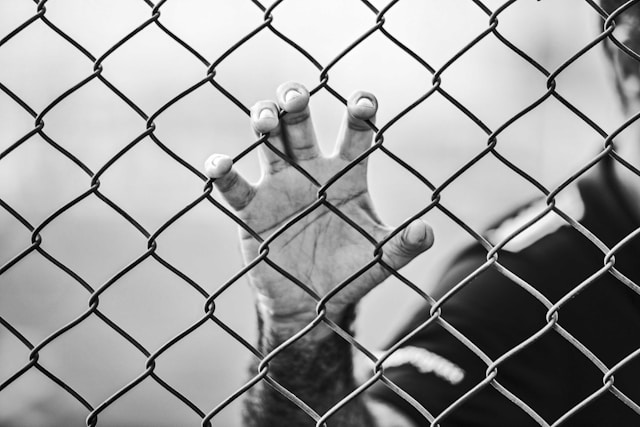
Many people imagine everyday life behind bars as little more than sitting around endlessly in your cell and doing nothing more than wait until your sentence is finally over. The reality of the experience, however, is very different. This is because in Austria, every prisoner of working age is obligated to work (§ 44, Penal Procedure Code) – irrespective of whether he or she wants to or not.
On average, approximately 6,000 prisoners in Austria are participating in work at any one time. To facilitate this, numerous workshops and operations are available to them at Austrian prisons, covering around 50 different fields of work – from vehicle workshops and locksmiths through to printers and laundries. As well as this, inmates take on work maintaining the institutions themselves. Examples might include cleaning work in the corridors, washing laundry, helping out in the kitchen, or tending to outdoor areas such as parks.
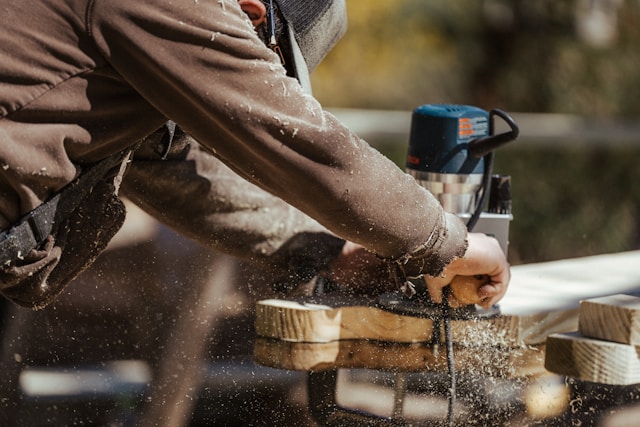
For some time now, there has even been a so-called “Jailshop”, an online sales platform offering hand-made products from workshops and companies in seven Austrian prisons, including Garsten, Sonnenberg, Wien-Simmering, Salzburg, Klagenfurt, Graz-Karlau and Suben.
Such a system also contains the possibility of day release: Some prisoners are allowed to leave the prison during the day to work at external companies, only returning once their work is over. As mentioned above, this is viewed as a particularly important component in their wider resocialisation.
So what’s the problem?
Low wages and a lack of safeguards
For many prisoners, of course, work means a regulated working day and the chance to escape everyday life inside prison for a few hours. As well as this, prisoners receive a wage for the work they have done. This is substantially below the rate usual outside prison, however. They receive the following wages per hour (figures correct for 2020):
- For simple assistance work: €6.42
- For difficult assistance work: €7.23
- For work created by hand: €8.08
- For specialist work: €8.82
- For work as an overseer: €9.63

Prisoners are not given unrestricted access to their income: The majority of the money they earn – no less than 75% of their wage – automatically goes back to the prisons to offset the costs of the sentence. This is because, according to §32 of the Penal Procedure Code, those sentenced have in principle to make a contribution to the costs of their punishment. Another part of their wage is “forcibly saved”, so that prisoners have at least some start-up capital available to them after their release. What is left – by now just a fraction of the accumulated sum – can be freely accessed by the prisoners, and is usually spent on little extras such as cigarettes, coffee or personal hygiene items.
Then there is the fact that, despite doing this daily work, the prisoners do not have health, accident or pension insurance. While a private pension insurance is possible in principle, however, society’s most economically vulnerable, who land up in prison, normally cannot afford it. As a result, the time they spend working while in prison is not credited as contribution time for a pension claim. They are doing productive work, therefore, which benefits the state and the economy, without being able to enjoy the basic rights of workers for doing so. This then becomes particularly noticeable in old age, when old-age poverty seems pre-programmed.
“If you end up in prison, it´s your own fault,” many will say. But if resocialisation and reintegration are to be defined as the key objectives of sentencing, then something urgently has to change in this regard. Because poverty due to a stay in prison is not exactly the best precondition for staying out of trouble once that time is over.
AND THE POLITICAL CLASSES?
“Sentencing per se is already a marginal issue, and when it comes to prisoners working, rightly so,” says politician Albert Steinhauser in an interview with the Austrian magazine DATUM. He adds: “The problem is that at the end of the day, taxpayers have to pay more if prisoners earn more, let alone get health insurance.” Because such issues are hardly designed to win votes, the situation is actually changing very little.
Translated by Tim Lywood
#Ausbeutung #StopptAusbeutung #Zwangsarbeit #Gefängnisarbeit #FinanzielleAusbeutung #Aufklärung #Menschenhandel #digitaleTools #OpferschutzMenschenhandel #PräventionMenschenhandel #AgainstHumanTrafficking #GegenMenschenhandel #EndExploitation #EndTrafficking #HopeForTheFuture #Österreich